Activewear
Multi-direction movement, repeated extension, moisture management, opacity and recovery after laundering require fabric and garment-level review.
Control:direction, cycles, recovery interval, care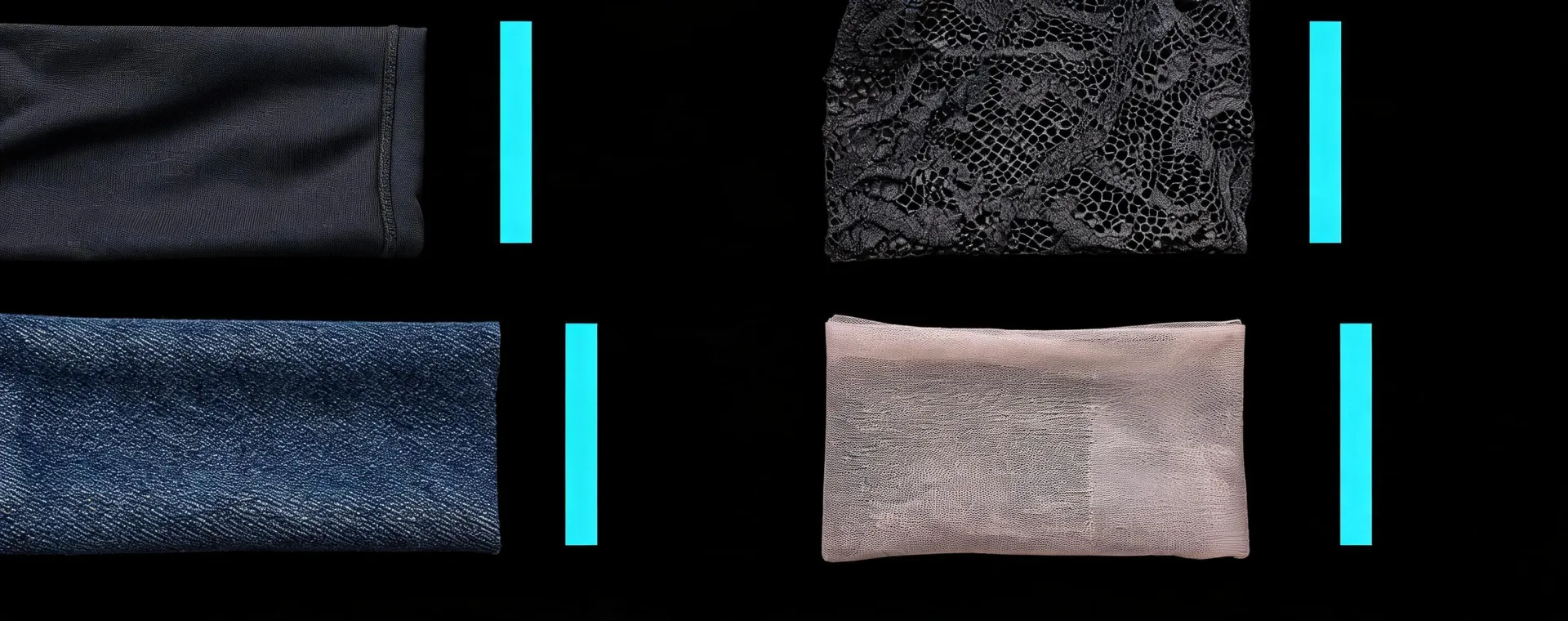
Application engineering
Movement, support, exposure, opacity, seam design, laundering and desired recovery alter the material question. Lycra uses application context to frame fiber, yarn, construction, test and trial choices rather than applying one generic stretch target.
Application sectors
Multi-direction movement, repeated extension, moisture management, opacity and recovery after laundering require fabric and garment-level review.
Control:direction, cycles, recovery interval, careFit retention must be evaluated with construction, dye route, heat, pool or marine exposure and the intended care sequence.
Control:exposure, color, finish, recoverySupport, softness, edge stability and repeated close-body wear create different stretch zones within the same garment.
Control:zone, hand, modulus, seamFine yarn systems depend on count, elastic placement, knit structure, boarding, size range and controlled recovery.
Control:count, placement, heat, sizingWeave construction, garment processing, directional growth, wash route and fit expectation must remain connected to the trial.
Control:weave, growth, wash, lotIllustrative transformations
These are process examples, not customer claims or guaranteed outcomes. They show the information needed to reach a defensible material decision.
Define the use case
Send the garment category, movement or support need, fabric construction, care route, target test behavior, trial quantity and destination.