Material engineering support
Lycra organizes elastic fiber, yarn, fabric and garment questions around stated inputs, controlled trials and reviewable evidence. The service does not begin with an unsupported performance promise. It begins with application, material form, construction, direction, conditioning, test method and acceptance criteria.
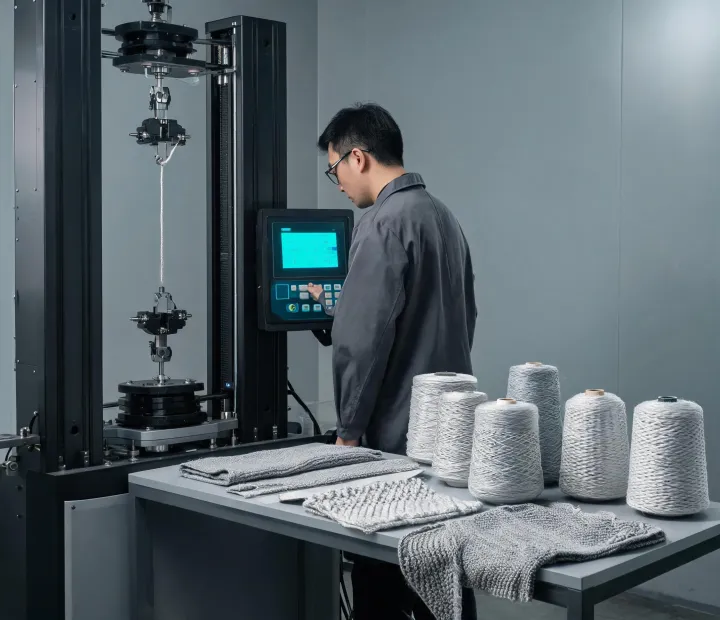
Defined service boundaries
| Workstream | Required inputs | Working output | Boundary to retain |
|---|---|---|---|
| Material definition | Fiber form, linear density, finish, blend and construction | Comparable specification brief | Supplier and lot remain identified |
| Fabric trial | GSM, usable width, stretch direction, finish and color | Trial matrix and specimen plan | Result applies to stated construction |
| Performance review | Method, extension, cycles, conditioning and recovery interval | Result record with units | Methods are not interchangeable |
| Commercial handoff | Quantity, destination, timing and packaging | RFQ-ready requirement set | Availability and lead time require confirmation |
A reported value is useful only when the specimen, method, direction, conditioning and lot are traceable. Lycra therefore separates target language from verified test output and commercial availability.
Four-stage methodology
Each stage has a decision boundary. Missing information is recorded as an open item rather than converted into an assumed specification.
Document garment zone, wearer movement, desired hand, compression intent, care route, market destination and foreseeable heat exposure.
State fiber or yarn form, linear density in denier or count, elastic content, placement, fabric construction, GSM, usable width, stretch direction, dye route and finish.
Agree specimens, conditioning, extension level, hold time, cycles, recovery interval, test direction and reporting units. Heat setting and laundering are included when they can change behavior.
Compare results against stated criteria, retain deviations, identify sample and lot, then confirm quantity, MOQ, lead time, packaging and destination before commercial release.
Start with evidence
Include the end use, material form, construction, target stretch and recovery, named method, trial quantity and destination. Our response can then distinguish confirmed facts, trial assumptions and open commercial questions.